Author: Louise Martin

The Role of Suspension in Your Car’s Performance and Comfort

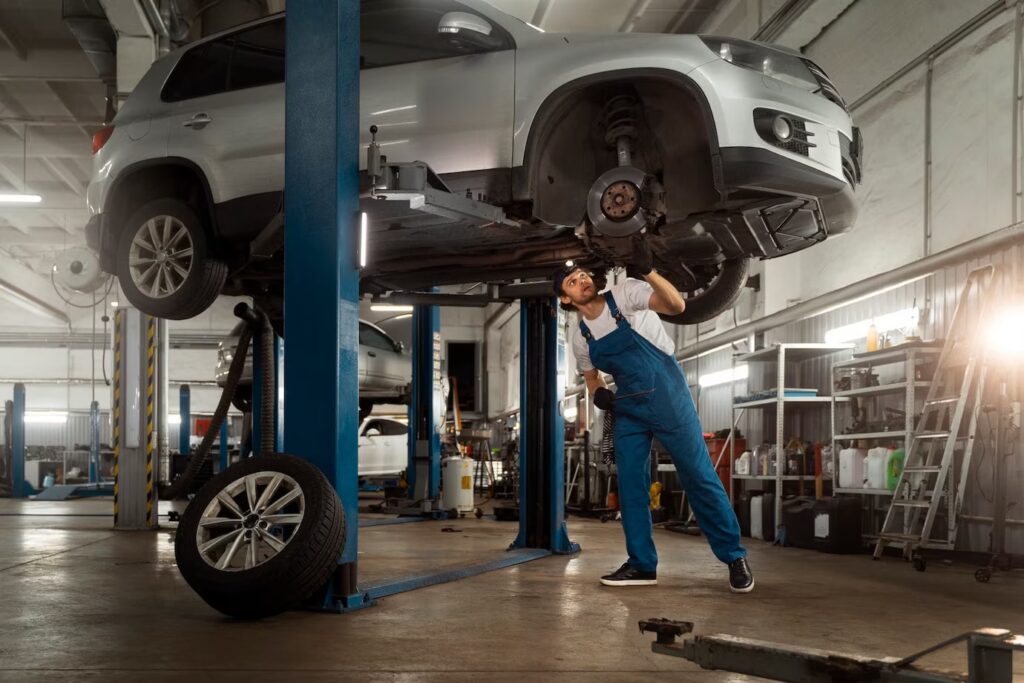
When it comes to your vehicle’s performance and comfort, the suspension system plays a vital role. It provides stability, control, and a smooth ride, absorbing bumps and vibrations from the road. In this comprehensive blog post, brought to you by our trusted automotive company, we will delve into the various aspects of suspension and explore how it impacts your car’s performance, handling, and overall comfort. So, let’s dive in and discover the importance of a well-maintained suspension system.

Understanding the Suspension System

Before discussing the role of suspension, let’s familiarize ourselves with its components and functions.

Springs

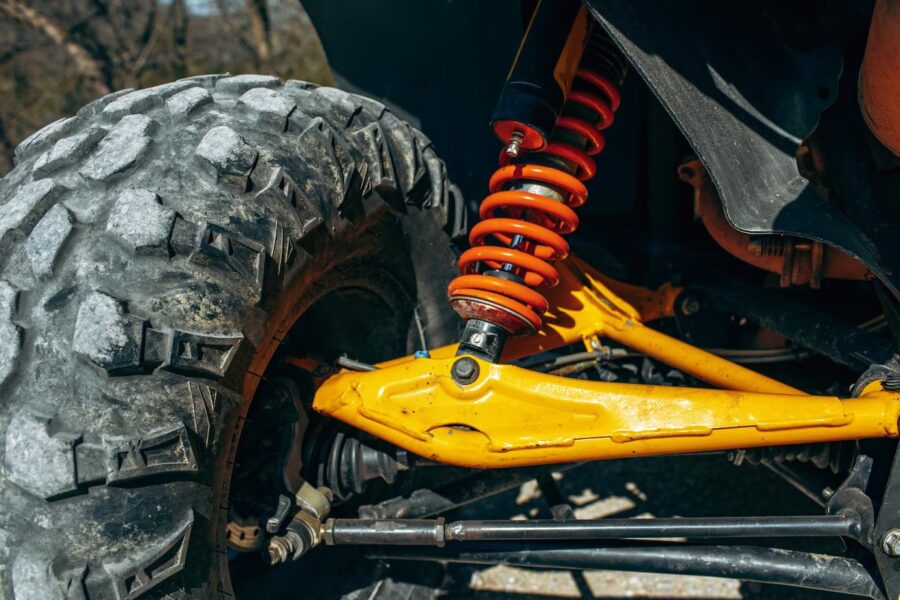
Springs are a fundamental part of the suspension system, responsible for absorbing shocks and maintaining tire contact with the road. Common types include coil springs and leaf springs, which provide support and help regulate the vehicle’s height.

Dampers

Dampers, also known as shock absorbers, work in conjunction with springs to control the oscillation of the suspension. They absorb energy from the springs, ensuring a smooth and controlled ride by minimizing bouncing and vibrations.

Control Arms and Bushings

Control arms connect the suspension components to the chassis, while bushings act as cushions between the arms and the frame. These components help maintain proper alignment, stability, and control during various driving conditions.
Impact on Performance

Now, let’s explore how the suspension system influences your car’s performance.

Handling and Stability

A well-functioning suspension system improves handling by providing better traction and grip on the road. It keeps the tires in contact with the surface, allowing for precise steering and maneuverability, especially during cornering or sudden lane changes.

Braking Performance

The suspension system is crucial in maintaining stability and control during braking. It helps distribute the vehicle’s weight evenly, preventing excessive weight transfer to the front or rear wheels. This results in improved braking efficiency and shorter stopping distances.

Road Holding

An optimized suspension system enhances road-holding capabilities, keeping your vehicle stable and balanced even on uneven surfaces. It minimizes body roll, ensuring all four wheels maintain optimal contact with the road, enhancing safety and control.

Comfort and Ride Quality

Apart from performance, the suspension system significantly impacts your comfort and ride quality.

Smooth Ride

The primary function of the suspension is to absorb shocks and vibrations from the road, providing a smooth and comfortable ride for you and your passengers. A well-tuned suspension system minimizes the impact of potholes, bumps, and uneven surfaces, resulting in a more enjoyable driving experience.

Noise and Vibration Reduction

A properly maintained suspension system helps reduce noise and vibrations, ensuring a quieter and more refined cabin environment. It minimizes the transmission of road noise and vibrations to the chassis and, ultimately, to the occupants, enhancing comfort during long drives.

Maintenance and Upgrades

To ensure optimal performance and comfort, it’s crucial to maintain and, if needed, upgrade your suspension system.

Regular Inspections

Regular inspections by certified professionals at an automotive company are essential to identify any wear, damage, or alignment issues with suspension components. This allows for timely repairs or replacements, preventing further damage and maintaining optimal performance.

Upgrades and Modifications

Aftermarket suspension upgrades and modifications are available for those seeking enhanced performance or specific driving preferences. These can include sport-tuned suspension kits, adjustable coilovers, or performance dampers tailored to improve handling, responsiveness, and ride comfort.

Conclusion

The suspension system is a critical component of your vehicle that influences both performance and comfort. By understanding its role and importance, you can appreciate the need for regular maintenance and the potential benefits of suspension upgrades. Trust a reputable automotive company to provide expert guidance and assistance in ensuring your suspension system is in top condition.

Signs of a Failing Transmission and What to Do About It

Your vehicle’s transmission is critical to ensure smooth gear shifting and optimal performance. However, it can develop issues over time that may lead to a failing transmission. In this blog post, we will explore the common signs of a failing transmission and provide you with actionable steps on what to do to address the problem promptly. As a reputable automotive company, we understand the importance of maintaining a healthy transmission. Let’s dive in and learn how to spot the warning signs.

Delayed or Slipping Gears

One of the primary indicators of a failing transmission is experiencing delays or slipping gears during gear shifts. Pay attention to any hesitation, difficulty engaging a gear, or a sudden change in engine RPM without corresponding acceleration. These symptoms may suggest a problem with your transmission’s internal components.

Leaking Fluid

Transmission fluid is essential for the lubrication and cooling of the transmission system. It could indicate a transmission fluid leak if you notice red or brown fluid stains beneath your vehicle. Promptly address any leaks to prevent further damage to the transmission.

Strange Noises or Odors

Unusual noises and odors can also signify transmission issues. Listen for clunking, grinding, or whining sounds during gear shifts, which may point to worn-out components. Additionally, a burning odor could indicate overheating or a slipping clutch, requiring immediate attention.

Difficulty Shifting Gears

If you find it increasingly challenging to shift gears smoothly, it’s a sign that your transmission is struggling. You may experience resistance, grinding, or a complete inability to shift into certain gears. Ignoring this issue can lead to more severe transmission damage, so consult a trusted automotive company for an inspection.

Warning Lights

Modern vehicles have sophisticated onboard diagnostic systems that monitor various components, including the transmission. Suppose you see the “Check Engine” light or a specific transmission-related warning light illuminated on your dashboard. In that case, it’s crucial to have the vehicle diagnosed by professionals to identify the underlying issue accurately.

Slipping Transmission

A slipping transmission occurs when your vehicle unexpectedly changes gears while driving, causing a momentary loss of power. This can be dangerous, especially on highways or when attempting to accelerate. Seek assistance from an automotive company to diagnose and repair the underlying cause promptly.

Overheating

Transmission overheating can result from inadequate fluid levels, a faulty cooling system, or heavy towing. If you notice your temperature gauge rising abnormally or a burning smell, it’s essential to address the issue promptly to prevent severe damage to the transmission.

What to Do

When you encounter any of the signs above, taking immediate action is crucial to prevent further transmission damage. Follow these steps:

  • Check Fluid Levels: Ensure that your transmission fluid is at the proper level. If it’s low, add the recommended fluid type as specified in your vehicle’s owner’s manual.
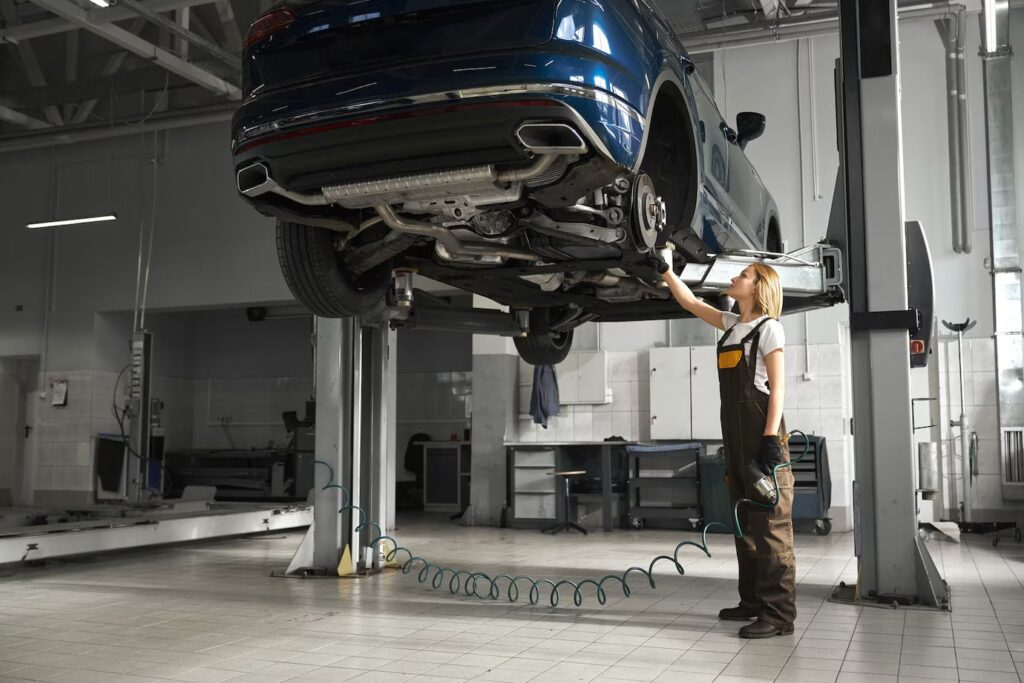
  • Seek Professional Inspection: Contact an automotive company with expertise in transmission repairs. They will perform a comprehensive diagnostic test to identify the exact cause of the problem.
  • Timely Repairs: Based on the diagnosis, the automotive experts will recommend and carry out the necessary repairs or replacements to restore your transmission’s health.

Conclusion

Recognizing the signs of a failing transmission is crucial for maintaining the longevity and performance of your vehicle. By being attentive to the warning signs discussed above and promptly seeking professional assistance from a reputable automotive company, you can prevent further damage and ensure a smooth driving experience. Don’t ignore these signs – promptly address transmission issues for a well-functioning vehicle.

The Importance of Proper Wheel Alignment and How to Check It

Proper wheel alignment is often overlooked, yet it plays a crucial role in your vehicle’s overall performance, safety, and longevity. Ensuring your wheels are correctly aligned allows you to enjoy a smoother ride, improved fuel efficiency, and reduced tire wear. In this blog post, we will delve into the significance of proper wheel alignment and provide practical tips on how to check it yourself. So, let’s dive in and discover how you can keep your vehicle running smoothly and efficiently.

Understanding Wheel Alignment:

Before we discuss the importance of wheel alignment, it’s essential to understand what it entails. Wheel alignment refers to adjusting the angles of your vehicle’s wheels according to the manufacturer’s specifications. The three key angles involved are the toe, camber, and caster.

Toe Alignment:

Toe alignment refers to the angle at which tires point inward or outward from above. Improper toe alignment leads to excessive tire wear and affects steering stability. To check it, measure the distance between the front and back of tires at the same height and compare measurements.

Camber Alignment:

Camber alignment refers to the inward or outward tilt of the top of the tire when viewed from the front. Excessive positive or negative camber can lead to uneven tire wear and poor handling. To check camber alignment, use a camber gauge or consult a professional at an automotive company.

Caster Alignment:

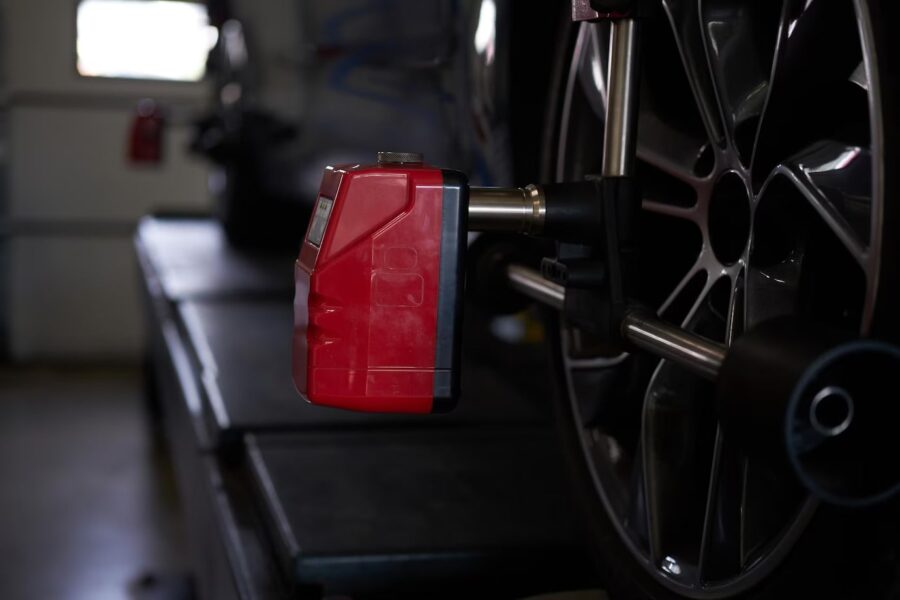
Caster alignment pertains to the steering axis angle when viewed from the side of the vehicle. It plays a crucial role in steering stability and cornering performance. While assessing caster alignment without specialized tools is difficult, seeking professional alignment services at an automotive company guarantees accurate adjustments for optimal performance.

The Importance of Proper Wheel Alignment:

Now that we understand the different aspects of wheel alignment let’s explore why it is essential for your vehicle’s performance and safety.

Enhanced Safety:

Proper wheel alignment promotes better control and handling, reducing the risk of accidents. It improves steering responsiveness, especially during emergency maneuvers or adverse road conditions, ensuring you stay in control of your vehicle.

Extended Tire Life:

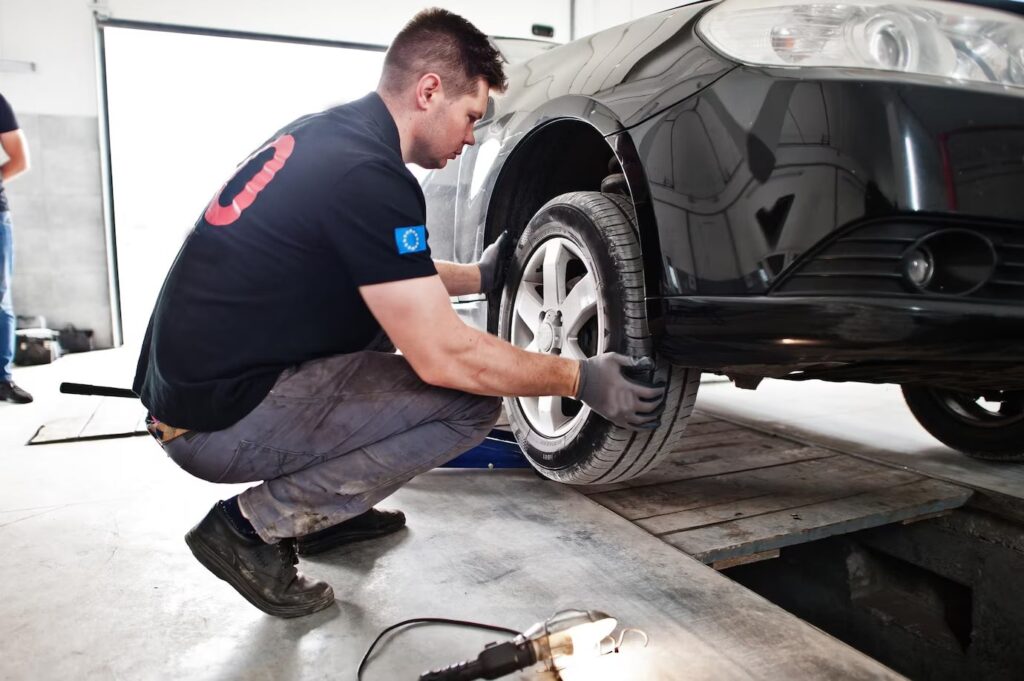
When your wheels are not correctly aligned, it can result in tires wearing unevenly, which may lead to the need to replace them earlier than expected. However, by ensuring proper alignment, you can ensure that the wear on your tires is distributed evenly, effectively extending their lifespan. This helps you save money in the long term and ensures that you get the most out of your tires before needing replacements.

Fuel Efficiency:

When your wheels are correctly aligned, there is less resistance against the road surface, resulting in improved fuel efficiency. By reducing rolling resistance, your vehicle requires less energy to move forward, leading to savings at the pump.

How to Check Wheel Alignment:

While professional wheel alignment is recommended, you can perform a basic check at home using the following steps:

Visual Inspection:

Check for signs of uneven tire wear, such as feathering or excessive wear on one side. This can indicate misalignment and the need for further inspection.

Steering Wheel Centering:

While driving on a straight, flat road, observe if the steering wheel remains centered. If it veers to one side, it could indicate an alignment issue.

DIY Toe Alignment Check:

Using a measuring tape, measure the distance between the front and back of the tires on both sides. Compare the measurements to ensure they are within the manufacturer’s recommended range.

Conclusion:

Proper wheel alignment is not only essential for the performance and safety of your vehicle but also for maximizing tire life and fuel efficiency. By understanding the different aspects of wheel alignment and performing basic checks, you can identify alignment issues early on and take appropriate action. Remember, if you notice any signs of misalignment, it’s crucial to consult a professional at an automotive company for a comprehensive alignment service. 

Page 4 of 4

Powered by WordPress & Theme by Anders Norén